

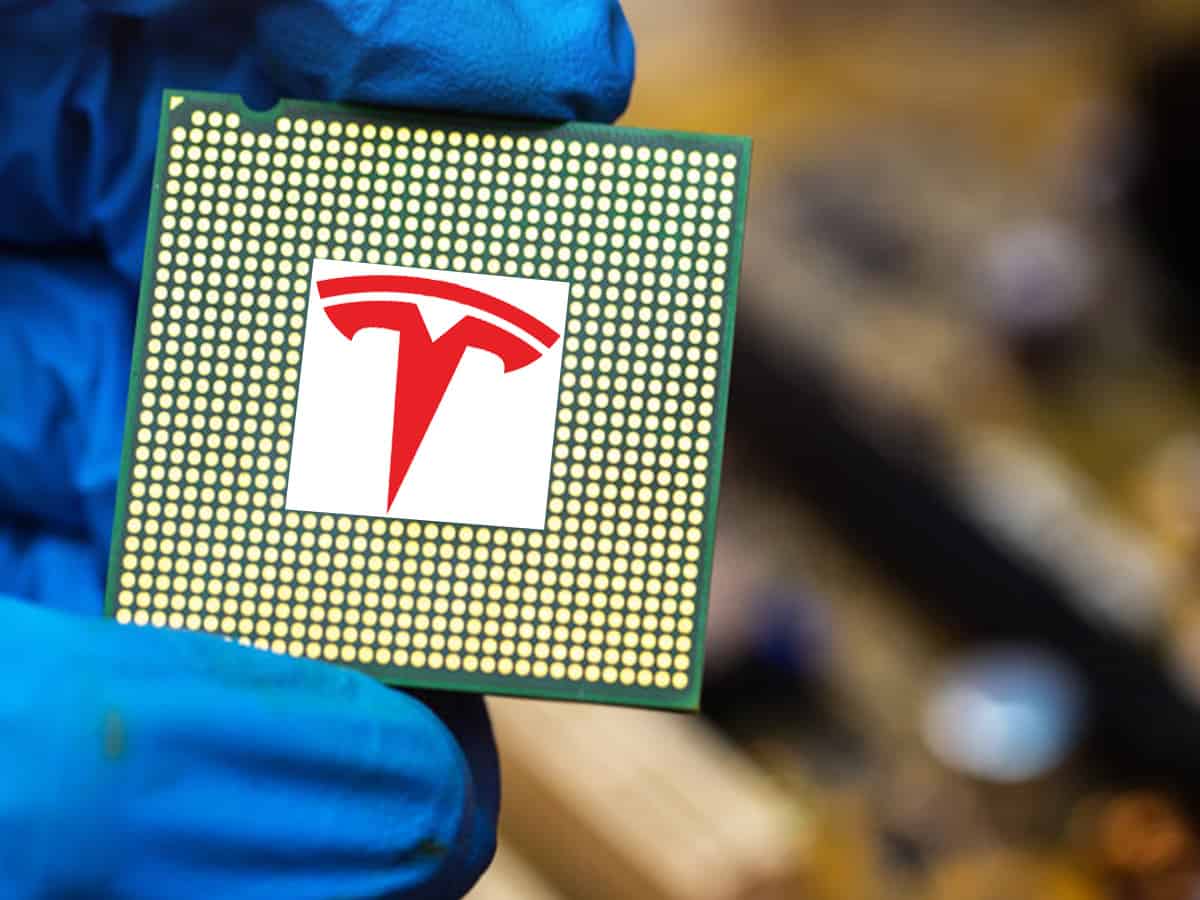
In a major move that could reshape the AI chip manufacturing landscape, Samsung Electronics and Tesla have signed a massive long-term agreement valued at $16.5 billion. Over the next eight years, Samsung will supply Tesla with next-generation AI chips — codenamed AI6 — to power its autonomous vehicles, Optimus robots, and high-performance computing infrastructure.
A Boost for Samsung’s Texas Fab
The chips will be produced at Samsung’s state-of-the-art foundry in Texas — a facility that has struggled to gain traction against industry giant TSMC due to low yields and production challenges. This deal, worth approximately $2.1 billion per year, is being hailed as a lifeline for the Texas plant and a chance for Samsung to re-establish its credibility in the high-end foundry market.
Following the announcement, Samsung’s stock jumped nearly 7%, reflecting investor confidence in the potential turnaround. Analysts, however, caution that this single contract won’t be enough to offset Samsung’s heavy losses in the foundry business — which amounted to around $3.6 billion in the first half of 2025.
Tesla Gains Access to the Production Line
One of the more unusual aspects of the agreement is Tesla’s level of access. Unlike typical chip customers, Tesla engineers will reportedly be granted on-site access to Samsung’s production lines, helping optimize the chip design and fabrication process. While this level of transparency may speed up development, it also raises concerns about intellectual property exposure and potential conflicts with other clients.
Quality Still in Question
Despite the scale of the deal, Samsung still faces quality challenges. Just months ago, the company failed to meet NVIDIA’s standards for HBM (High Bandwidth Memory) chips — casting doubt on its ability to consistently deliver advanced semiconductor products.
Strategic or Symbolic?
Some see this as a strategic pivot for Samsung — a chance to secure a marquee customer, refine its process, and potentially attract more AI-focused clients. Others view it as a tactical move from Tesla, leveraging Samsung’s need for high-profile partnerships to gain custom chip access and influence over the manufacturing process.
Either way, the collaboration signals a deepening relationship between two tech giants at the intersection of AI, mobility, and silicon.
Image Credit: © Tesla via TechStory
Sources: Reuters, Axios, PC Gamer, MarketScreener, The Guardian


